7 PDF-to-XML KSeF Conversion Errors
Learn the most common errors when converting a PDF invoice to FA(3) XML, their effects in KSeF and how to catch them before submission.
GuideJune 21, 2026
KSeFGPT guide: practical articles on KSeF, FA(3), XML, deadlines, invoice errors and automation for companies and accounting teams.
Learn the most common errors when converting a PDF invoice to FA(3) XML, their effects in KSeF and how to catch them before submission.

Cannot see UPO after submitting an invoice to KSeF? Check status, KSeF number, session, rejection errors and UPO download paths in the app, API or KSeFGPT.

A practical guide for small businesses, sole proprietors and microbusinesses: KSeF deadlines, purchase invoice receipt, UPO, KSeF number, XML FA(3), official MF tools and KSeFGPT.
Not every PDF to XML converter is suitable for KSeF. Check when to choose KSeFGPT, the Taxpayer Application, an ERP, ksefpdf.pl or another tool, and why regular XML from a PDF is not enough.
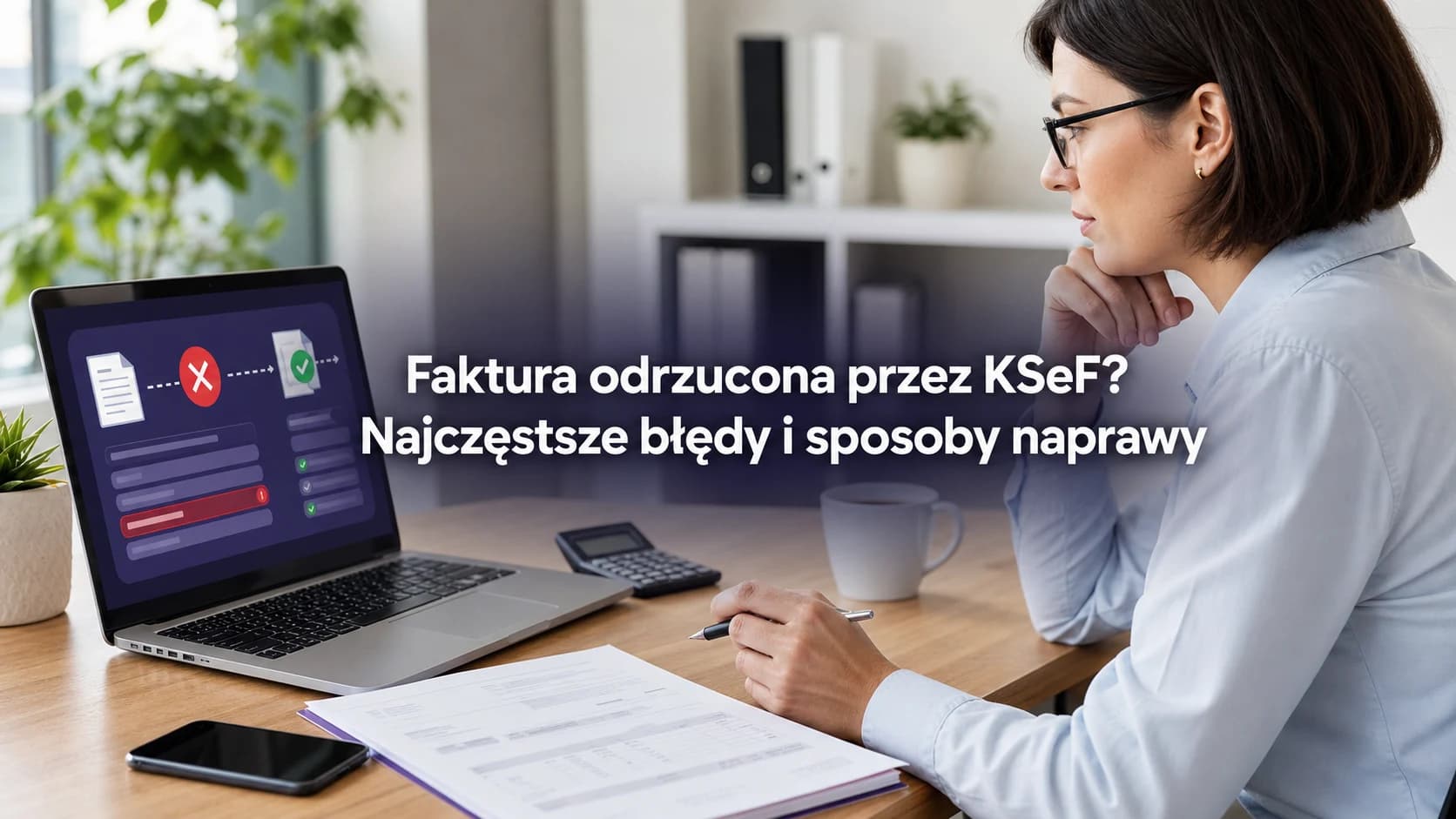
Find out why KSeF rejected an invoice, how to read its status, correct P_1, FA(3) XML, permissions or a duplicate, and safely submit it again.

An up-to-date guide to the KSeF 2.0 Taxpayer Application: choosing a certificate purpose, generating the private .key file, downloading the .crt file, and securely preparing the complete set for use.
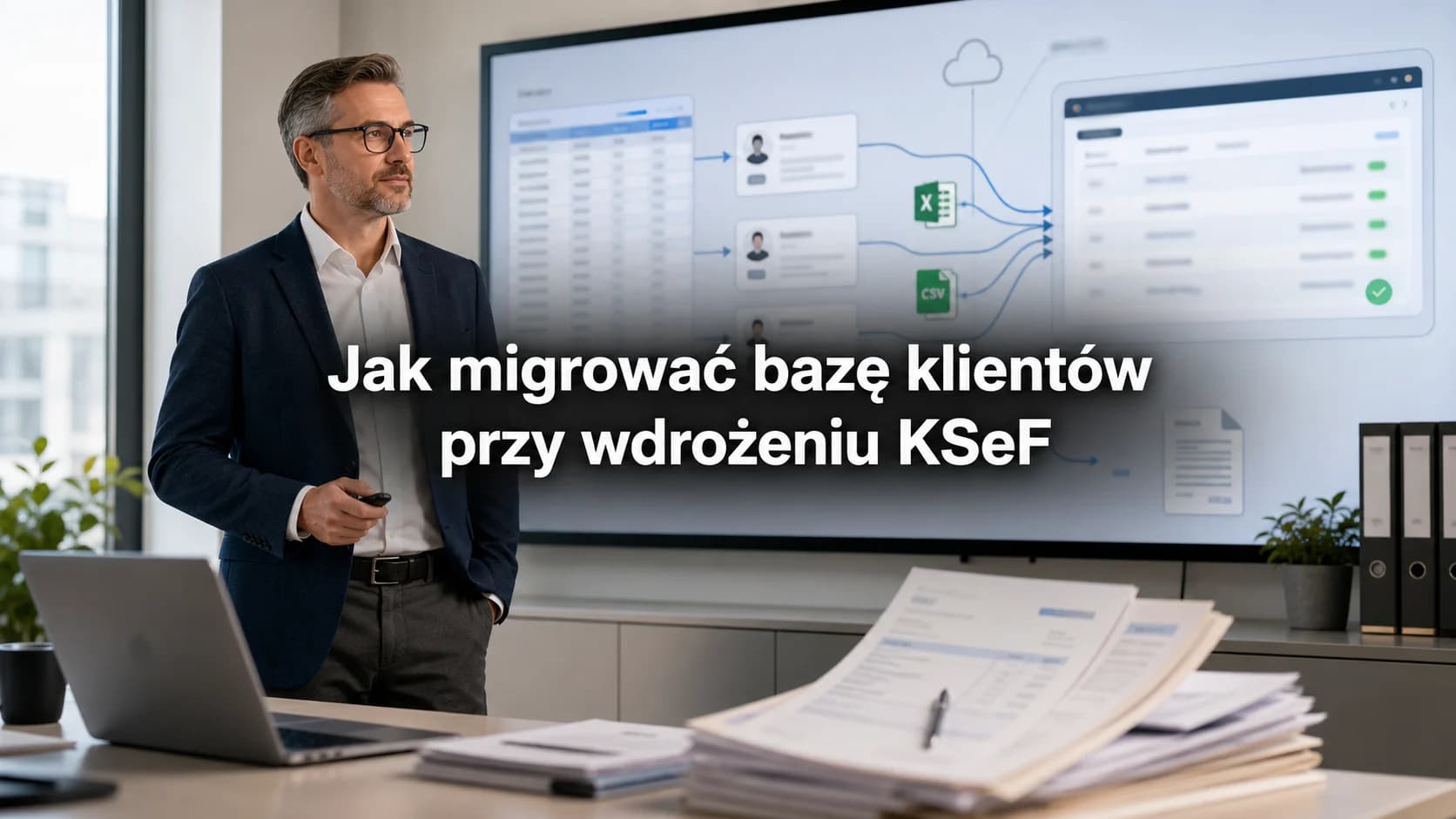
A practical guide for companies that want to move customers and contractors from an old system, Excel, CSV or Fakturownia.pl before KSeF go-live without carrying over duplicates and errors.

A practical guide for businesses and accounting teams: where to find incoming invoices in KSeF, when they are considered received, how often to check them and what to do after retrieval.

Learn how to distinguish a wrong NIP from a suspected scam invoice, when to contact the seller, when to request a correction and how to report abuse in the KSeF 2.0 Taxpayer Application.

Check whether the issue is your phone, login, permissions or KSeF availability. See safe steps and fallback options.

Check when a KSeF invoice is deemed received, how to distinguish the issue date from the KSeF number date and why the payment term still follows from the contract and commercial transaction rules.

A practical guide: how to prepare an XLSX sheet, map columns to FA(3) fields, check errors and send valid invoices to KSeF in KSeFGPT.